

The menopause is a significant transition that nearly most woman will experience, and yet it can often feel daunting and isolating. As hormonal changes cause a variety of bodily and psychological symptoms, comprehending this stage of life turns out to be crucial for managing wellness. Our detailed guide aims to empower women by providing insights into the stages of the menopause and the perimenopause, typical symptoms, and effective control techniques.
Whether you're facing the first signs of the perimenopause or have already entered menopause, it's crucial to know that assistance is out there. From hormone replacement therapy to lifestyle changes modifications, there are many pathways to improve your well-being during this change. In this article, we will examine effective methods, share professional recommendations, and highlight the importance of personalized care, providing you with the tools needed to navigate your course towards succeeding in this new chapter of life.
Understanding Menopause Stages
Menopause is a natural phenomenon that occurs in 3 separate stages: perimenopause, the menopause stage, and postmenopause. Each stage is characterized by specific changes in physiology that women undergo as they transition from their reproductive years to a state of reproductive decline. Recognizing these stages is essential for women wanting to navigate the menopausal process with surety and knowledge.
The perimenopausal phase is the introductory phase prior to menopause, typically starting in a woman’s 40s, but can start as soon as the 30s. During this time, women may experience hormonal changes that lead to irregular menstrual cycles, hot flashes, night sweats, and mood changes. menopause support in the workplace can last for many years, making it essential to identify these symptoms as typical and part of the body’s adaptation to changing hormone levels.
The menopause stage, which is officially identified after twelve consecutive months without a menstrual period, indicates the end of a woman’s years of reproduction. This stage typically occurs in the late forties to early fifties. Women may still to experience symptoms from perimenopause, such as hot flashes and vaginal dryness. The postmenopausal phase follows menopause and persists for the rest of a woman’s life, during which the body settles into a new balance of hormones, and some symptoms may fade away while others, such as loss of bone density, may pose new health risks.
Hormone and Non-Hormone Treatments
Hormonal Replacement Therapy, or Hormone Replacement Therapy, is a common approach to addressing menopause signs. It involves the application of estrogens, progesterone, or a combination of the two to lessen issues such as hot flashes, nocturnal sweating, and emotional fluctuations. Systemic estrogen, typically delivered through transdermal systems or tablets, can effectively mitigate these heat-related symptoms, while progesterone aids protect the endometrial lining in women with an intact uterus. It is essential for women considering HRT to talk about the advantages and risks with their doctors, as personal health concerns can influence eligibility for these treatments.
For those who may not be suitable for HRT or choose alternative options, there are several effective therapies available. Non-hormonal prescription medications such as Vaginal Estrogens, selective serotonin reuptake inhibitors, and Gabapentin have been shown to help lessen heat-related symptoms and ease mood disturbances. Additionally, over-the-counter solutions like vaginal moisturizers and lubricants are useful for addressing symptoms linked to Menopausal Genitourinary Syndrome, providing relief from dryness and pain during intimate moments.
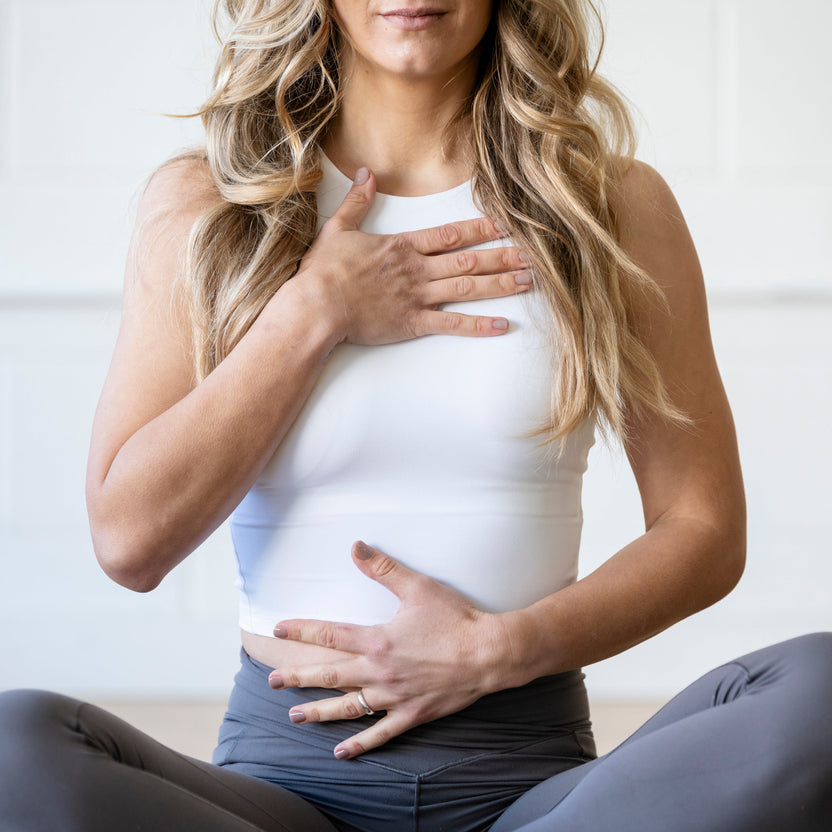
Lifestyle changes can also play a crucial role in managing menopause signs. lifestyle medicine , such as including phytoestrogen-rich dishes and following a Mediterranean diet, can support overall health. Complementary approaches such as stress management, mindfulness techniques, and strength training can enable women to control their bodily and mental health during this period of change. Working closely with a certified menopause specialist can assist each woman find the most appropriate combination of therapies tailored to her unique requirements.
Wellness Approaches for Health
Maintaining a wholesome lifestyle during menopause can greatly simplify the process and diminish symptoms. Routine physical activity is crucial; participating in a mix of cardiovascular exercises, strength training, and flexibility routines can aid boost mood, increase metabolism, and support bone health. Aim for at least one hundred fifty minutes of moderate aerobic activity each week along with strength training exercises at least twice a week. This holistic approach not only helps manage weight but also preserves lean muscle mass, which can decrease during menopause.
Dietary choices play a critical role in managing menopause symptoms. Adopting a Mediterranean diet rich in fruits, vegetables, whole grains, healthy fats, and lean proteins can enhance overall wellness and provide important nutrients like calcium and vitamin D for bone health. Including phytoestrogen-rich foods such as soy products, flaxseeds, and legumes can also help reduce hormonal fluctuations. Staying hydrated and being mindful of caffeine, alcohol, and spicy foods can reduce symptom triggers, boosting your overall comfort.
Incorporating mindfulness practices such as yoga, meditation, and deep-breathing exercises can help combat stress and promote mental clarity. These strategies can be especially effective in controlling mood swings and anxiety, which are common during this changing phase. Additionally, addressing sleep hygiene by building a supportive sleep environment and establishing a calming bedtime routine can greatly improve both sleep disturbances and night sweats, fostering a sense of overall wellbeing.